
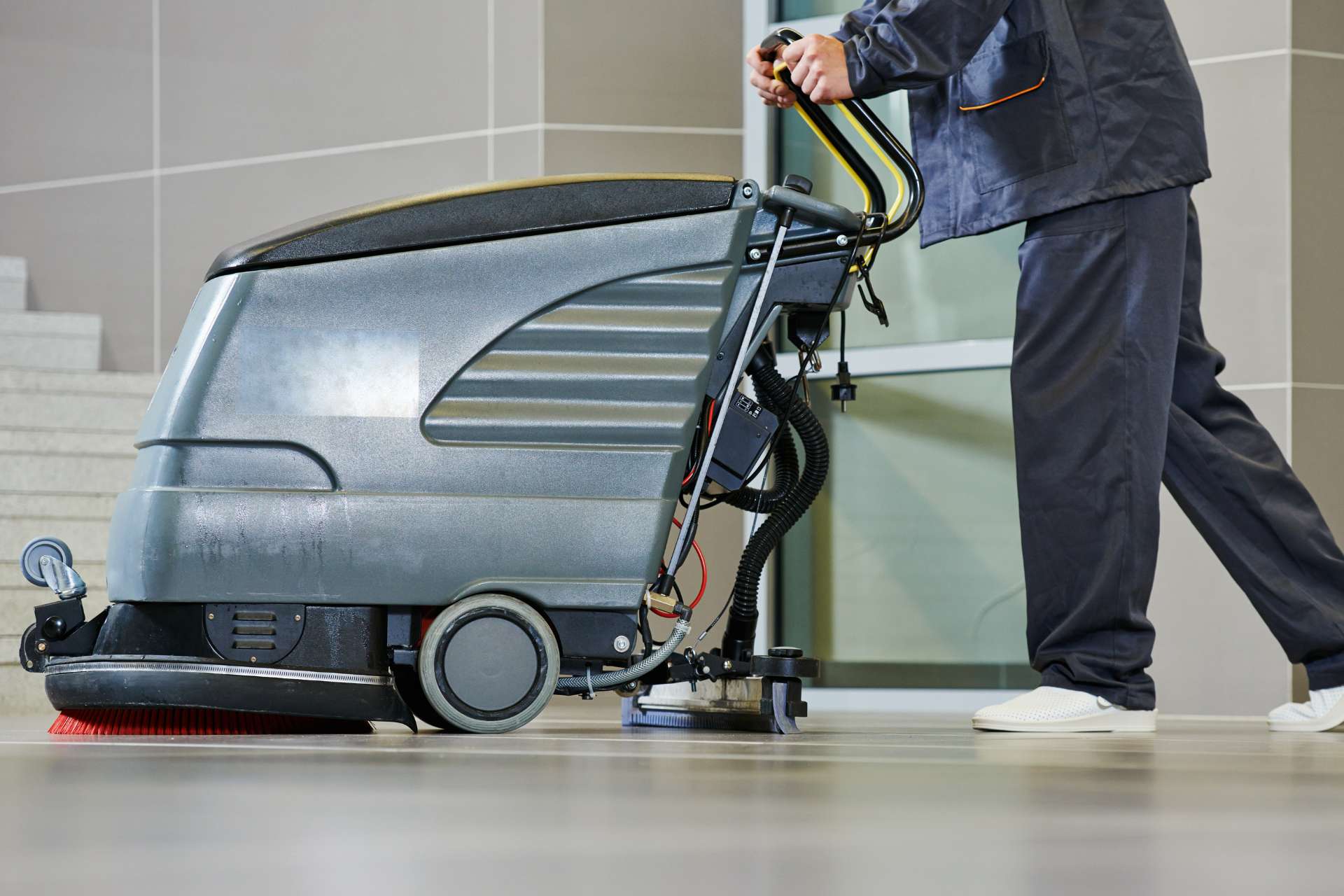
Industrial flooring forms the foundation of numerous business operations, designed to endure heavy loads, constant traffic, and exposure to challenging conditions. Preserving its quality is essential for ensuring safety, operational efficiency, and cost-effectiveness. Without proper maintenance, even the most durable flooring can degrade over time, leading to hazards, costly repairs, and operational downtime. This comprehensive guide explores what industrial flooring is, the materials commonly used in its construction, and essential maintenance tips for industrial flooring to extend its lifespan.
What is Industrial Flooring?
Industrial flooring is a specialized type of flooring engineered to withstand the extreme demands of industrial and commercial environments. Unlike standard residential or office flooring, it must endure high levels of mechanical stress, heavy machinery, chemical exposure, and significant foot or vehicle traffic. Its purpose extends beyond durability, encompassing safety, hygiene, and a professional appearance.
The longevity and performance of industrial flooring depend on regular upkeep. Proper maintenance not only protects the initial investment but also ensures compliance with safety standards and minimizes disruptions to operations. It is a critical component of facilities such as warehouses, factories, laboratories, and manufacturing plants, where flooring must consistently perform under demanding conditions.
Common Materials Used in Industrial Flooring
Understanding the type of industrial flooring is key to developing an effective maintenance plan. Each material offers unique advantages and care requirements.
Epoxy Flooring
Epoxy flooring is a popular choice due to its seamless surface, durability, and resistance to chemicals and stains. It is widely used in warehouses, factories, and laboratories. Its glossy finish is not only visually appealing but also practical for cleaning. However, untreated epoxy surfaces may become slippery, so anti-slip additives are often applied. Regular cleaning and timely reapplication of topcoats help maintain its functionality.
Concrete Flooring
Concrete is a highly durable and versatile material commonly found in industrial settings. It is often sealed or polished to enhance its resistance to stains, water, and abrasion. Despite its strength, concrete is prone to cracking over time, particularly in areas with temperature fluctuations. Proper sealing and periodic inspections for cracks are essential to prolong its lifespan.
Polyurethane Flooring
Polyurethane flooring offers excellent resistance to temperature fluctuations, chemicals, and abrasion. It is ideal for environments like food processing facilities and pharmaceutical plants. This material is highly durable yet flexible, making it resistant to thermal shock. To preserve its performance, routine cleaning and periodic reapplication of coatings are necessary.
Vinyl Flooring
Vinyl is a cost-effective option for light industrial settings. It is easy to install, low maintenance, and available in a variety of finishes. While it is not as robust as epoxy or concrete, daily cleaning and avoidance of harsh chemicals can extend its usability.
Rubber Flooring
Rubber flooring provides excellent shock absorption, noise reduction, and slip resistance. It is commonly used in gyms, healthcare facilities, and areas with significant foot traffic. However, it is less resistant to chemicals, so spills should be cleaned immediately to prevent damage.
Top Maintenance Tips for Industrial Flooring Longevity
Industrial flooring is a significant investment, and its longevity directly impacts safety, operational efficiency, and overall facility aesthetics. Proper maintenance goes far beyond superficial cleaning. It requires a consistent, proactive, and systematic approach to prevent damage, ensure safety, and maximize performance. Each maintenance task serves a specific purpose and addresses common risks associated with industrial flooring. Here’s why these steps are essential and how they safeguard the integrity of industrial flooring.
1. Establish a Regular Cleaning Routine
Why It Matters:
Dirt, dust, and debris are deceptively harmful to industrial flooring. These particles, when left unchecked, act like tiny abrasive agents that grind against the surface as foot traffic and machinery move over them. Over time, this can cause scratches, dullness, and degradation of protective coatings, leaving the flooring vulnerable to more severe damage. A regular cleaning routine mitigates this problem by eliminating these particles before they cause harm.
How to Implement:
Daily sweeping or vacuuming is crucial for removing loose debris. For smoother surfaces like epoxy flooring, using a damp mop can effectively remove fine dust while maintaining the polished look of the surface. Weekly or bi-weekly deep cleaning becomes necessary in areas with high traffic or frequent chemical exposure. Deep cleaning not only eliminates stubborn grime but also helps maintain hygiene and slip resistance, especially in environments like food processing or pharmaceutical facilities.
Why Spill Management is Critical:
Chemical spills can cause immediate and long-term damage to industrial flooring. Harsh chemicals can seep into unsealed surfaces like concrete or react with epoxy coatings, leading to stains, corrosion, or weakened structural integrity. Addressing spills immediately prevents these outcomes, ensures worker safety, and maintains the flooring’s appearance.
2. Use Appropriate Cleaning Products
Why It Matters:
Cleaning products that are incompatible with the flooring material can do more harm than good. For example, acidic or overly alkaline cleaners can degrade protective coatings on epoxy or polyurethane floors, leaving them exposed to wear and tear. Concrete flooring, when cleaned with harsh chemicals, can lose its sealant protection, leading to water infiltration and eventual cracking. The wrong cleaning tools, such as abrasive scrubbers, can scratch surfaces and reduce their lifespan.
How to Implement:
Selecting pH-neutral or mildly alkaline cleaning solutions for epoxy and polyurethane flooring is essential for preserving their protective layers. For concrete, ensure that the cleaning agents are sealant-friendly and avoid chemicals that could erode the sealant. When dealing with oil or grease, use degreasers specifically designed for industrial flooring to avoid residue buildup while maintaining surface integrity. Always test new products in a discreet area to ensure they won’t cause damage.
3. Protect Flooring from Damage
Why It Matters:
Industrial flooring is subjected to heavy machinery, high foot traffic, and the movement of equipment. Without preventative measures, these activities can lead to surface scratches, gouges, and even structural damage. Over time, this wear and tear can compromise the flooring’s safety, functionality, and appearance.
How to Implement:
Placing heavy-duty mats at entry points prevents dirt and moisture from being tracked onto the flooring, reducing abrasive wear. Protective pads under heavy machinery help distribute weight evenly, preventing indentations and cracks. Dragging equipment across the floor should be avoided entirely, as it can cause deep scratches or gouges. Instead, use wheeled carts or dollies with soft wheels. Additionally, establishing designated pathways for vehicles like forklifts can help minimize uneven wear across the flooring.
4. Conduct Routine Inspections
Why It Matters:
Routine inspections provide an opportunity to catch minor issues before they escalate into major problems. Small cracks or chips, if left unaddressed, can grow under the weight of heavy machinery or due to temperature fluctuations. Similarly, peeling coatings or discolouration can indicate underlying issues that require immediate attention.
How to Implement:
Conduct visual inspections on a regular schedule—monthly for low-traffic areas and bi-weekly for high-traffic ones. During these inspections, look for visible signs of damage such as cracks, chips, peeling, or discolouration. Pay particular attention to joints and seams, as these areas are prone to separation over time. Maintaining a log of inspection findings helps track recurring issues and ensures timely interventions.
5. Address Repairs Promptly
Why It Matters:
Delaying repairs can turn small, manageable issues into costly repairs or replacements. For example, a minor crack in concrete flooring can allow moisture to seep in, leading to deeper structural issues. Similarly, worn coatings on epoxy or polyurethane floors can leave them vulnerable to chemical spills, scratches, and general wear.
How to Implement:
For minor cracks or chips, use manufacturer-recommended repair kits, such as epoxy fillers, to restore the surface. Larger or more severe damage may require professional assistance to ensure lasting results. For concrete floors, periodic resealing prevents water infiltration and reinforces durability. For epoxy and polyurethane floors, reapply protective coatings to enhance chemical and wear resistance.
6. Apply Protective Coatings
Why It Matters:
Protective coatings are the first line of defence against abrasion, chemicals, and environmental factors. These coatings preserve the flooring’s structural integrity and reduce the need for frequent repairs. Additionally, anti-slip coatings enhance safety in areas prone to spills or moisture.
How to Implement:
Topcoats for epoxy floors should be reapplied every few years to maintain their seamless and glossy finish. Concrete floors benefit from resealing every 2–5 years, depending on usage and exposure to elements. In high-risk areas, anti-slip coatings are essential for preventing accidents while maintaining the flooring’s durability.
7. Control Environmental Conditions
Why It Matters:
Fluctuations in temperature and humidity can cause industrial flooring materials to expand and contract, leading to cracks, warping, or delamination. Prolonged exposure to sunlight can also cause discolouration or fading, especially in materials like epoxy or polyurethane.
How to Implement:
Maintaining stable indoor conditions with climate control systems helps minimise temperature and humidity fluctuations. In facilities with significant sunlight exposure, UV-resistant coatings protect the flooring from discolouration and maintain its appearance.
8. Train Staff in Proper Maintenance Practices
Why It Matters:
Even the best maintenance plan can fall apart without proper execution. Employees who are unaware of proper cleaning techniques, spill management protocols, or equipment handling practices may inadvertently cause damage to the flooring. A well-informed team ensures consistency in maintenance practices and minimizes the risk of accidental damage.
How to Implement:
Develop training sessions focused on proper cleaning methods, the importance of using compatible cleaning products, and safe equipment handling. Establish clear protocols for reporting issues, such as spills or visible damage, to ensure they are addressed promptly.
Keep Flooring Strong and Reliable
Industrial flooring is not merely a functional surface—it is a critical asset that supports operations, ensures safety, and upholds the professional image of a business. By implementing these maintenance tips, industrial flooring can remain durable, visually appealing, and efficient for years to come.
Proactive care, from regular cleaning to applying protective coatings, minimizes the risks of costly repairs and downtime. Investing in a robust maintenance plan is not just about protecting the flooring but also about ensuring the seamless operation of the entire facility. With consistent attention and care, industrial flooring can continue to deliver exceptional performance and reliability, forming a solid foundation for success.


